

Understanding Cataracts: Causes, Symptoms, Diagnosis, and Treatment
What Are Cataracts?
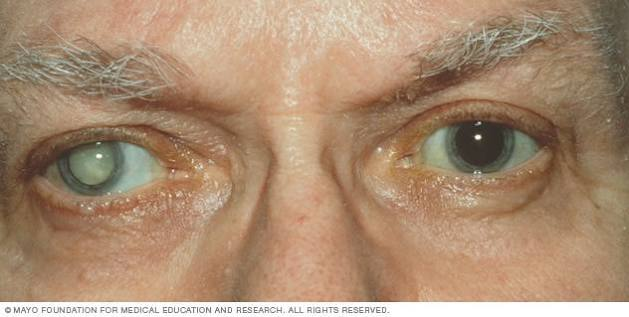
A cataract is the clouding of the eye's natural lens, which sits behind the iris (the colored part of the eye). The lens focuses light onto the retina, allowing you to see sharp, clear images. As cataracts develop, the lens becomes increasingly cloudy, causing blurry, hazy, or dim vision.
Cataracts typically develop slowly over time, which means many people don't notice changes until their vision has significantly declined. Cataracts are a common age-related eye condition and remain one of the most common causes of preventable vision loss worldwide.
What Causes Cataracts?
Most cataracts develop naturally with age as proteins within the eye's lens begin to break down and clump together. However, several factors may increase your risk of developing cataracts, including:
Aging
Diabetes
Prolonged exposure to ultraviolet (UV) light
Smoking
Long-term use of corticosteroid medications
Previous eye injuries
Prior eye surgery
Family history of cataracts
Understanding these risk factors can help you take steps to protect your long-term eye health.
Common Cataract Symptoms
Cataracts usually develop gradually, and symptoms often worsen over time. You may experience:
Blurry or cloudy vision
Difficulty seeing at night
Increased sensitivity to bright lights and glare
Halos around headlights or streetlights
Colors appearing faded or yellow
Frequent changes in your eyeglass prescription
Double vision in one eye
Needing brighter light for reading or close work
Many patients adapt to these gradual vision changes without realizing how much their eyesight has declined until they receive a comprehensive eye exam.
How Are Cataracts Diagnosed?
A comprehensive eye exam is the best way to diagnose cataracts and determine how much they are affecting your vision. During your visit, your optometrist may perform several diagnostic tests, including:
Visual Acuity Test: This test measures how clearly you can see letters and objects at various distances to evaluate any changes in your vision.
Refraction Test: A refraction determines whether updating your glasses or contact lens prescription can improve your vision.
Slit Lamp Examination: Using a specialized microscope called a slit lamp, your eye doctor closely examines the front structures of the eye, including the lens, to evaluate the size, location, and severity of a cataract.
Dilated Eye Exam: Dilating the pupils allows your doctor to thoroughly examine the retina, optic nerve, and lens while checking for cataracts and other eye diseases such as glaucoma or macular degeneration.
Routine comprehensive eye exams are essential because cataracts often develop without noticeable symptoms in their earliest stages.
Can Cataracts Be Prevented?
Although cataracts cannot always be prevented, healthy lifestyle habits may help reduce your risk or slow their progression.
Some recommendations include:
Wear sunglasses that block 100% of UVA and UVB rays.
Maintain healthy blood sugar levels if you have diabetes.
Avoid smoking.
Eat a balanced diet rich in leafy greens and antioxidant-rich fruits.
Schedule regular comprehensive eye exams.
Protecting your eyes from UV exposure and maintaining overall health can contribute to healthier vision as you age.
Cataract Treatment Options
Treatment depends on how much the cataract is affecting your daily activities.
Early Cataracts:
In the early stages, vision may improve with:
An updated eyeglass prescription
Brighter lighting
Anti-glare lenses
Magnifying lenses for reading
While these options can temporarily improve vision, they do not stop cataracts from progressing.
Cataract Surgery:
The only effective treatment for cataracts is cataract surgery.
Cataract surgery is one of the safest and most successful surgical procedures performed today. During the procedure:
The cloudy natural lens is removed.
A clear artificial intraocular lens (IOL) is implanted.
Vision typically improves significantly after healing.
Most cataract surgeries are outpatient procedures lasting less than 30 minutes, allowing patients to return home the same day.
When Is It Time for Cataract Surgery?
Your eye doctor may recommend cataract surgery when vision problems begin interfering with everyday activities such as:
Driving
Reading
Watching television
Using computers or digital devices
Working
Recognizing faces
Enjoying hobbies
The decision is based on how cataracts affect your quality of life rather than how advanced they appear during an eye exam.
Why Regular Eye Exams Matter
Because cataracts develop gradually, regular eye exams play an important role in preserving your vision. Routine examinations allow your eye doctor to monitor cataract progression while also checking for other serious eye conditions, including glaucoma, diabetic eye disease, and macular degeneration.
Early diagnosis gives you more opportunities to manage vision changes before they significantly impact your daily life.
Schedule a Cataract Evaluation at AJ Kew Gardens
If you're experiencing blurry vision, glare while driving at night, frequent prescription changes, or other signs of cataracts, don't wait for your symptoms to worsen.
At AJ Kew Gardens, our experienced optometrists provide comprehensive eye exams, cataract evaluations, and personalized recommendations to help you maintain clear, healthy vision. We'll determine whether cataracts are affecting your eyesight and discuss the treatment options that are right for you.
Book Your Appointment Today
Schedule your comprehensive eye exam with AJ Kew Gardens today and take the next step toward protecting your vision.