

Keratoconus: Symptoms, Causes & Treatment | AJ Kew Gardens Optical
What Is Keratoconus?
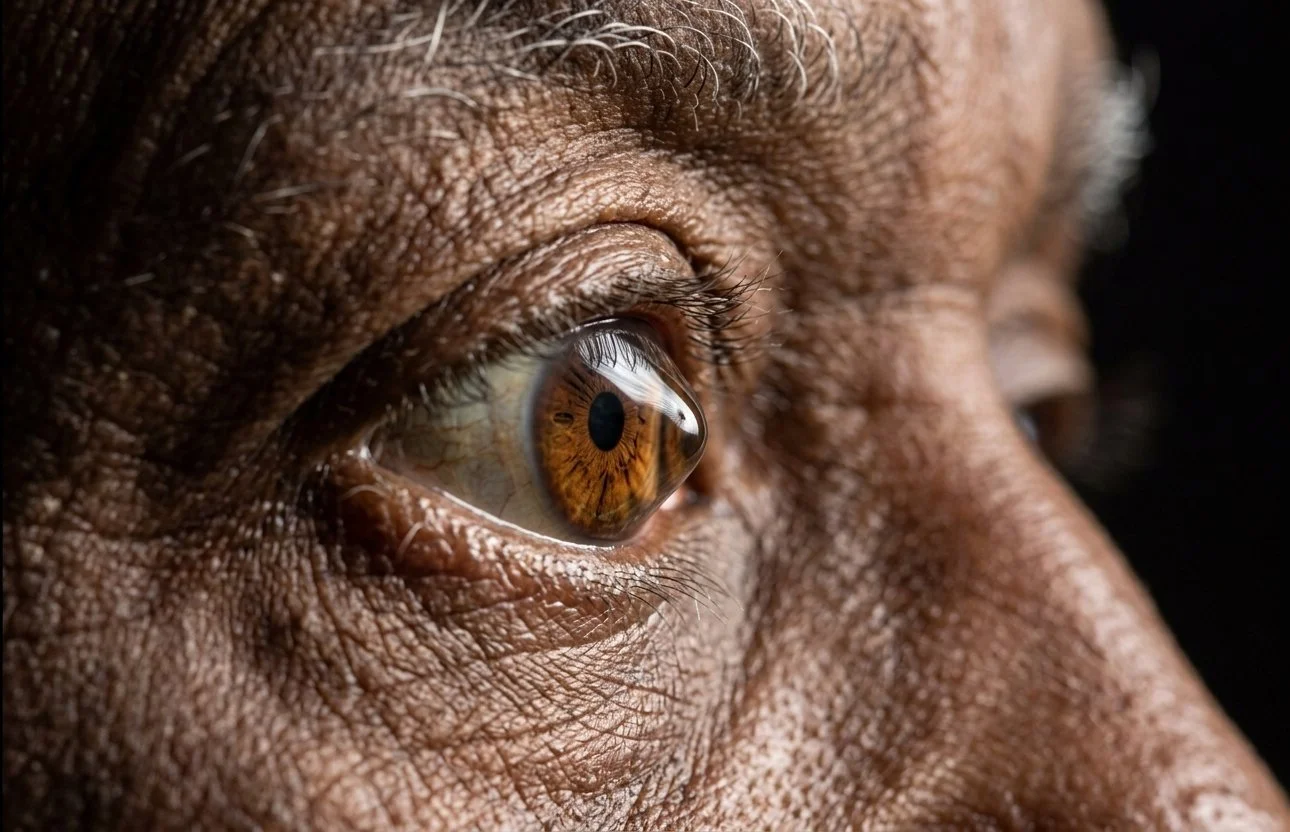
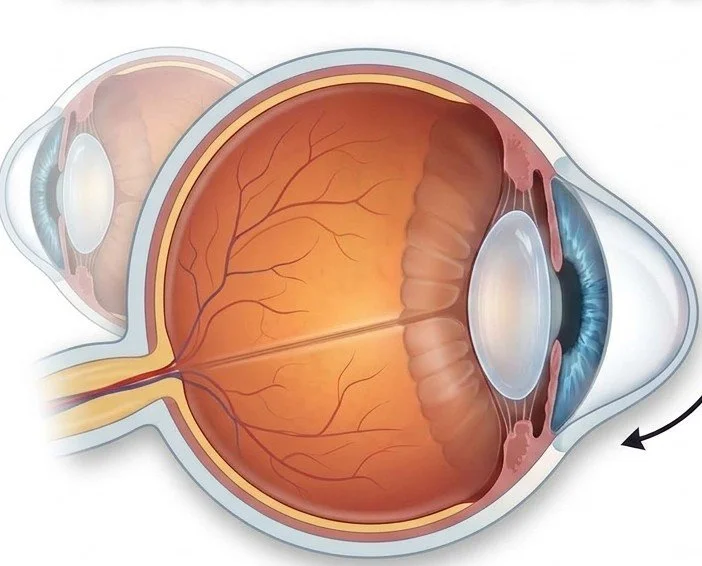
Keratoconus is an eye condition that causes the cornea, the clear front surface of the eye, to become thinner and gradually bulge outward into a cone-like shape. As the cornea becomes more irregular, it can no longer focus light properly onto the retina. This can result in blurry, distorted, or fluctuating vision.
Keratoconus often begins during the teenage years or young adulthood and can progress over several years. The condition usually affects both eyes, although one eye may be more affected than the other.
How Does Keratoconus Affect Vision?
A healthy cornea has a smooth, rounded surface that helps focus incoming light. With keratoconus, the cornea becomes thinner and steeper, creating an irregular surface.
This irregular shape can cause:
Blurry or distorted vision
Irregular astigmatism
Ghosting or double images
Increased sensitivity to light and glare
Difficulty seeing clearly at night
Frequent changes in glasses or contact lens prescriptions
As keratoconus progresses, glasses or standard soft contact lenses may no longer provide clear vision. Specialty contact lenses can help create a smoother optical surface over the irregular cornea.
What Causes Keratoconus?
The exact cause of keratoconus is not fully understood. Research suggests that both genetic and environmental factors may contribute to the condition.
A family history of keratoconus can increase the risk. Vigorous or frequent eye rubbing is also associated with keratoconus and may contribute to its progression, particularly in people who are already predisposed to the condition.
If your eyes frequently feel itchy or irritated, treating the underlying irritation and avoiding eye rubbing can be especially important for people with keratoconus.
Signs and Symptoms of Keratoconus
Symptoms can change as the condition progresses. Common signs include:
Blurry or Distorted Vision
The irregular shape of the cornea can cause images to appear blurry, stretched, or distorted even when wearing glasses.
Frequent Prescription Changes
A rapidly changing glasses or contact lens prescription, particularly changes in astigmatism, can be a reason to evaluate the shape of the cornea.
Ghosting and Double Images
Some people with keratoconus notice ghost images around letters, lights, or objects. This can become more noticeable as the corneal surface becomes irregular.
Light Sensitivity and Glare
Bright lights may appear unusually harsh, and halos or glare can make nighttime activities such as driving more difficult.
Poor Night Vision
Irregularities in the cornea can make it harder to see clearly in low-light conditions, especially when combined with glare.
How Is Keratoconus Diagnosed?
An eye doctor can evaluate the cornea during a comprehensive eye examination. Testing may include measuring your prescription, examining the cornea with a slit lamp, and creating detailed maps of the cornea using corneal topography or tomography.
These imaging tests can measure the curvature and thickness of the cornea and may help identify keratoconus before more obvious changes are visible during a routine eye examination.
Keratoconus Treatment Options
Treatment depends on the severity of keratoconus and whether the condition is continuing to progress. Treatment generally focuses on two goals: improving vision and stabilizing the cornea when progression is occurring.
Early Keratoconus
In early stages, glasses or soft contact lenses may provide adequate vision correction.
However, as the cornea becomes more irregular, standard lenses may no longer provide the clarity needed for everyday activities.
Specialty Contact Lenses
For moderate or more irregular keratoconus, an eye doctor may recommend specialty contact lenses.
Options can include:
Rigid gas-permeable (RGP) lenses
Hybrid contact lenses
Scleral lenses
Other custom-designed specialty lenses
These lenses can compensate for the irregular corneal surface and provide a smoother focusing surface for clearer vision.
Corneal Cross-Linking
If keratoconus is progressing, corneal collagen cross-linking may be recommended to help stabilize the cornea.
During the procedure, riboflavin eye drops are used along with ultraviolet light to strengthen the collagen structure of the cornea. Cross-linking is intended to slow or stop further progression rather than simply correct the vision caused by the condition.
Advanced Keratoconus
In advanced cases, significant corneal thinning, scarring, or difficulty achieving functional vision with contact lenses may require surgical treatment.
A corneal transplant may be considered when other treatment options are no longer sufficient.
Keratoconus and Specialty Contact Lenses
Specialty contact lenses can play an important role in managing vision changes caused by keratoconus. Scleral lenses, RGP lenses, hybrid lenses, and other custom designs can be fitted to accommodate the irregular shape of the cornea.
Because an improperly fitted specialty lens can potentially damage the cornea, these lenses should be fitted and monitored by an eye-care professional experienced with keratoconus.
Keratoconus Care in Kew Gardens, NY
If you are experiencing frequent prescription changes, distorted vision, increasing astigmatism, or difficulty seeing clearly with your current glasses or contacts, an eye examination can help determine whether changes in the cornea may be contributing to your symptoms.
At AJ Kew Gardens Optical, our eye-care team can evaluate your vision and discuss appropriate options for managing keratoconus, including specialty contact lenses when appropriate.
Schedule an Eye Exam
If you are experiencing blurry or distorted vision, frequent prescription changes, or difficulty seeing clearly with glasses or contact lenses, schedule an eye examination to have your vision and corneal health evaluated.
Book Your Appointment Today
Schedule your comprehensive eye exam with the trusted optometrists at AJ Kew Gardens Optical. Whether you need a routine vision exam, contact lens fitting, or treatment for an eye concern, we're here to help you see your best.