

What is Refractive Error and Why Does it Affect Your Vision?
Refractive error is one of the most common causes of blurry vision. It occurs when the shape of your eye prevents light from focusing properly on the retina. This can make objects appear blurry either at a distance, up close, or both. The good news is that refractive errors are easily diagnosed and can be corrected with glasses, contact lenses, or other treatment options.
Common Types of Refractive Error:
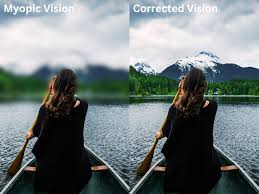
• Myopia (Nearsightedness)
Myopia causes distant objects to appear blurry while near vision remains clear. This happens when the eye is slightly longer than normal or the cornea is too curved, causing light to focus in front of the retina.
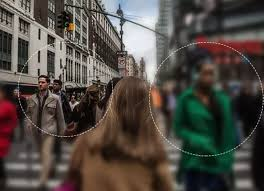
• Hyperopia (Farsightedness)
Hyperopia causes difficulty seeing up close, and in some cases can also affect distance vision. It occurs when the eye is shorter than normal or the cornea is too flat, causing light to focus behind the retina.
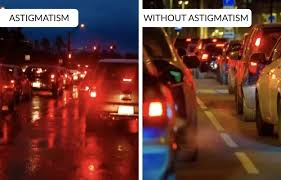
• Astigmatism
Astigmatism causes blurred or distorted vision at all distances. It occurs when the cornea (or sometimes the lens inside the eye) has an irregular shape, causing light to focus unevenly on the retina.
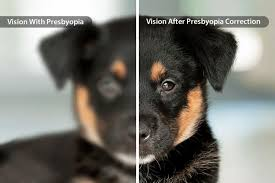
• Presbyopia
Presbyopia is an age-related condition that typically begins after age 40. It makes it harder to focus on near objects, such as reading small print. This happens because the natural lens inside the eye becomes less flexible over time.
Refractive errors can cause a variety of symptoms, including:
• Blurry vision (near, far, or both)
• Eye strain or discomfort
• Headaches, especially after reading or screen use
• Squinting to see more clearly
• Difficulty reading small print
How is Refractive Error Diagnosed?
Refractive error is diagnosed through a comprehensive eye exam. Your eye doctor will perform tests to determine how well your eyes focus and what prescription you may need. This may include reading an eye chart and using specialized instruments to measure your prescription.
Refractive Error Treatment Options:
• Glasses for clear, comfortable vision
• Contact lenses for a more natural field of view
• Multifocal lenses for patients with presbyopia
• In some cases, refractive surgery such as LASIK
Protecting Your Vision
Regular eye exams are important to ensure your prescription is accurate and your eyes remain healthy. Even small changes in vision can impact your daily activities, so keeping your prescription up to date can help you see and feel your best.
Book Your Appointment Today
Early detection through a professional eye exam is the best defense against glaucoma and permanent nerve damage. Book your appointment today for personalized care and expert consultation from the leading optical specialists in Kew Gardens, NY.